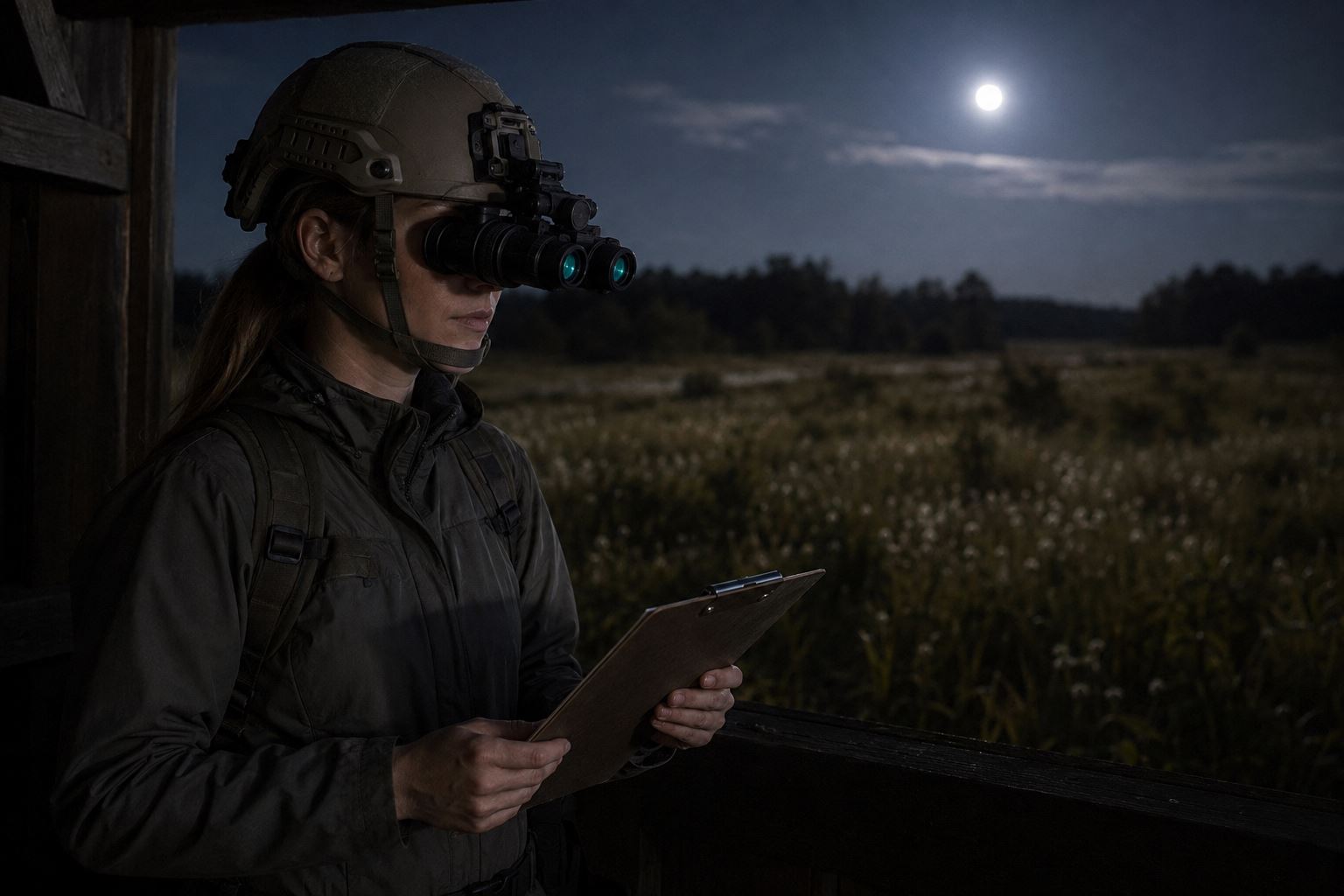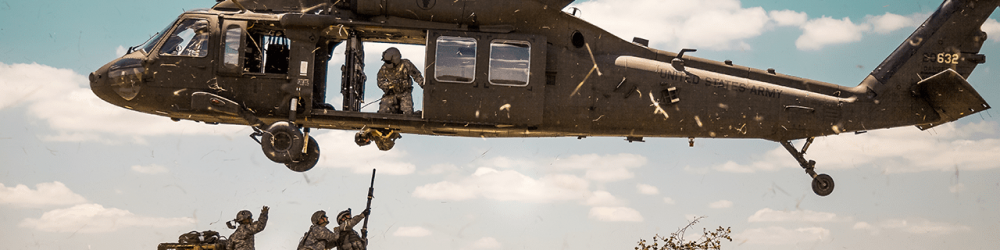
The lists created of the items a serviceman took with him as an airborneman as a standard load can seem a very transparent inventory of equipment, but all the lines are based on decisions taken in extreme circumstances. The weight of all the items had to be restricted, and items had to be able to withstand the jump from the aircraft, but no guarantee could be given as to where on the area of operations the soldier would land in relation to the supplies that were dropped to support him to complete his objectives.
It's best to look at a list of airborne soldier equipment in chronological order, not year by year, however. Often it is the changes in the list and therefore the way the commander withabcdefghijklmnopPlanning the airborne operation had perception of that operation that are of interest.
From parade equipment to a problem of weight
Early planning for airborne forces posed a paradox – the soldier going on an airborne drop needed to carry a host of items including: his weapon, ammunition for it, communications, food, water and medical supplies. However, every item added to the basic load for airborne troops posed a problem for their movement through the air. As a result the first changes to the personal equipment of the airborne troops were of a negative nature – items that were taken by ground troops in engagement with the enemy were removed from the airborne's list.
The early airborne lists tend to start with the basic subtraction of the normal field equipment in order to create a 'selected' airborne load. A look at the standard issue of equipment for a rifleman in infantry divisions can give some indication of what has been dropped from the list and why some items may be missing from the list of equipment to be carried by airborne troops.
Many of the notes on the lists for airborne equipment relate to how equipment is to be worn or attached to the airborne soldier. This gives insight into what the airborne commander thought would happen to the airborne troops during the jump, after landing, and in the critical first hours after that landing. It must be remembered that the list is not a photo of what every airborneman actually took with him.
When the mission changed, the list changed with it
When airborne forces went to war they were not only sent to capture a piece of ground to act as a landing ground for other troops to follow but a whole range of other tasks were allocated to them and hence their loads increased accordingly to tackle these specialized roles.
A list showing an excess of demolition material, wireless sets, reconnaissance equipment and medical supplies could point to the presence of a specialist detachment. A short list on the other hand does not necessarily mean that the troops were not properly equipped. Perhaps they were to land quickly and pick up the necessary supplies from airborne supply containers, or be reinforced by ground troops within a day or two.
Again, we have to bear in mind the date, the unit, the operation for which the list was compiled and the name of the officer who compiled the list. Words such as 'folding tool' need to be cross referred to other documents such as orders, training notes, images and after action reports. The same item could be normal issue field equipment in another context and specialized for a specific mission in another.
Standard issue meets local improvisation
The third phase of development is more indistinct, and, whilst army issue equipment was sent to airborne troops, as can be seen in the contemporary photographs, much of it was of little use to individual paratroopers and was subjected to a great deal of alteration and personalization prior to jump.
Helmets, knives, map cases, respirators, for example, could be taken from an individual's kit and appear in a photograph or written account of another person. He may have worn them, but they were not part of his normal airborne equipment. Objects such as these were normally removed from a field soldier's equipment as they were too bulky to carry and of such value that they would have been jettisoned were they to have been included in the airborne field equipment.
In material culture studies, museum displays of equipment are often reconstructed from individual items, which have originated from different people and at different times. Furthermore, an object being labeled as "airborne" does not automatically have to have been used for one particular operation. To get a better understanding of an object, its provenance, condition, any markings, and the acquisition history all have to be examined in detail and in relation to the object itself.
Supply containers changed the meaning of personal equipment
4. Supply containers – the means of supply for other objects, for larger quantities.
It is worth bearing in mind that items of equipment that have been listed as having been carried by a soldier, could have been part of a larger delivery of operation specific equipment, that were listed separately in other documents. Where there are amendments, or notes to the lists, detailing shortages etc., then this will give us insight into the problems that the special forces were having in equipping the troops for the special operation that they were assigned to complete.
It's also worth remembering that the planning of a drop and the actual delivery of it can often be worlds apart. Archives containing amended lists, quantities of items lacking, subsequent substitutions or even annotations to lists after an operation have been found which give unusual insight into the facts of a particular operation and even the decisions of individuals on the ground.
The same object can carry different meanings
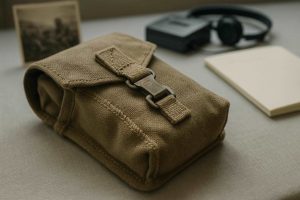
For most items of equipment, in addition to the basic function of the article, there must also be consideration of the tasks for which its wearer was expected to be responsible. Map cases and pouches, for example, may have been taken by personnel who were expected to function independently after landing.
We can't rely solely on lists of equipment though. Claims of the amount of time that a particular item of equipment was used in combat need to be cross-checked against other operational information (e.g. orders, men's personal accounts, photographs attributed to specific individuals).
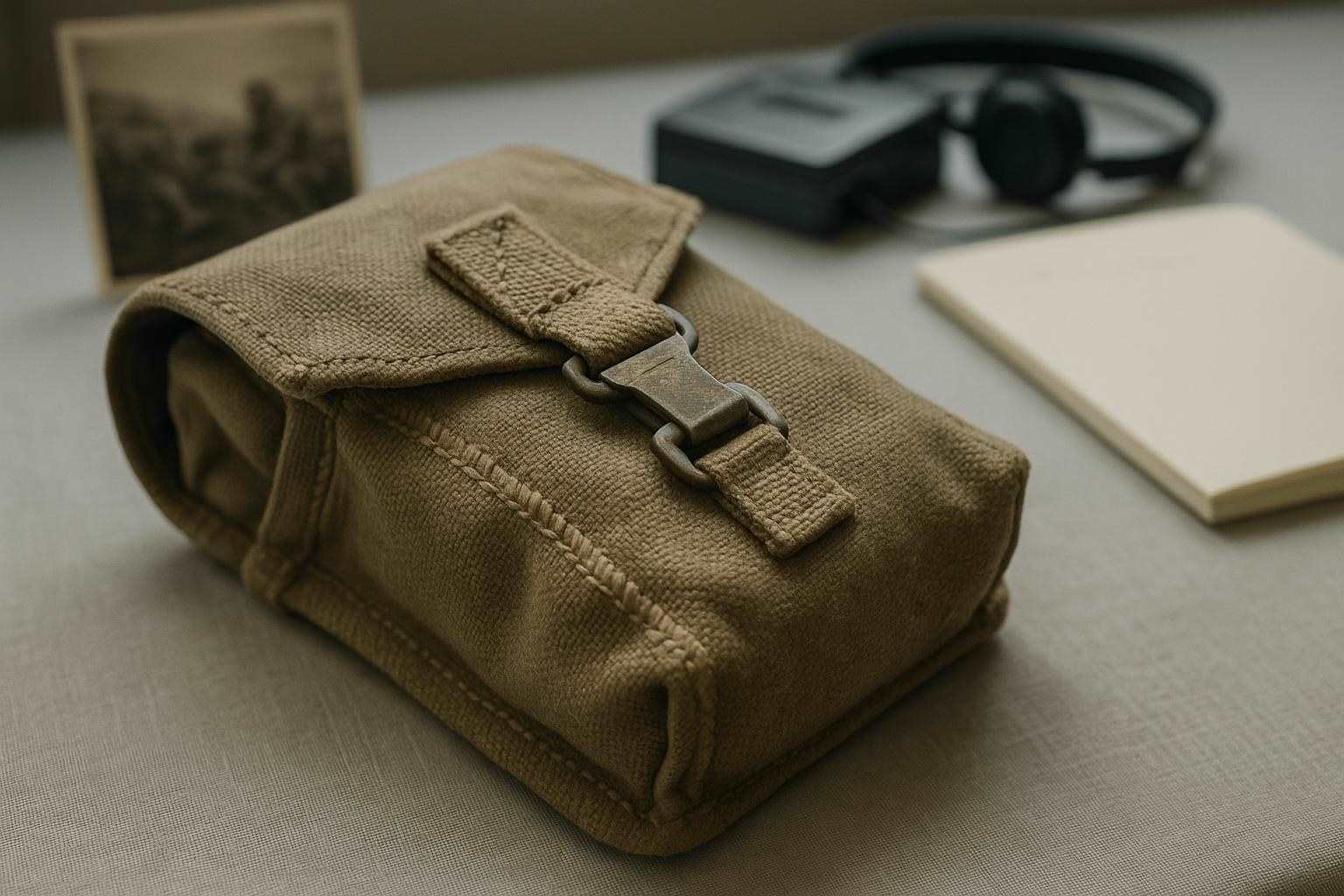
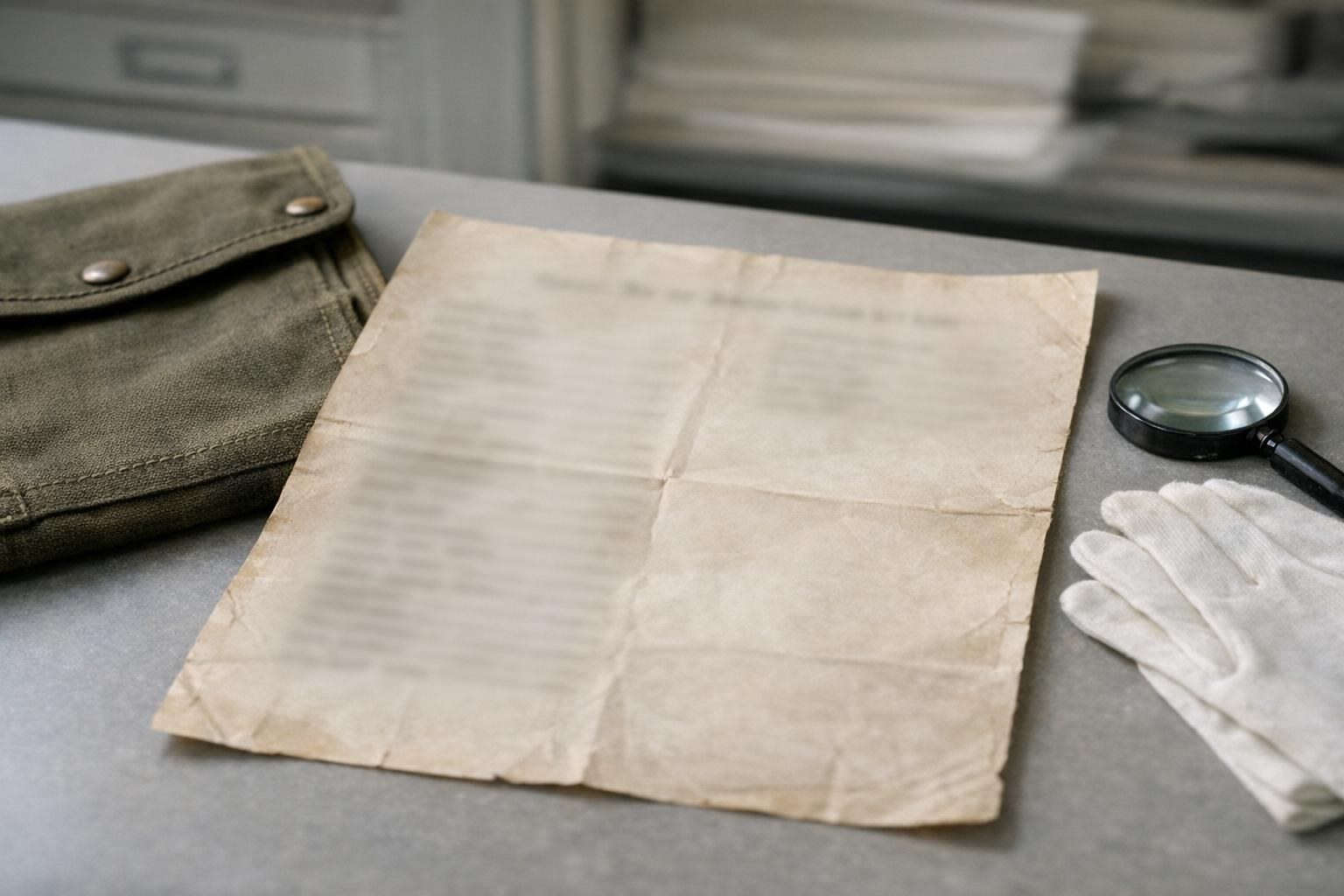
For museum researchers it is important to note down the makers' marks, any lettering or other markings, and any repairs or alterations that have been carried out. And it is also important to keep your observations separate from your interpretation of them. "A canvas pouch with a repaired strap" is evidence. "This had been repaired after a particular operation" is a hypothesis which can only be proved with the aid of further sources.
Building a reliable reading from several sources
Most importantly, one must note the provenance of the document (i.e. who wrote it, for whom and when). Moreover, it is vital to realize the scope of the document: does it list all the items of one individual or maybe the whole squad? If so, maybe even all the specialists and their extra gear? Also, it is vital to note the terminology used in the period against which the list was written, and how it is translated against modern museum exhibition labels.
Check the terminology: As with any period source, the terms used to describe equipment in a list from a particular time will often encompass several different items of kit. Conversely, modern museum catalogues can sometimes impose distinctions between objects that the original writer did not make. It is wise to report uncertainty in transcription of such words.
While photographs can be useful to see how the equipment was carried and what was in the kit, they are rarely complete and need to be cross checked against wartime archives for information on issue and replacement. A soldier's personal papers can give a fascinating insight into why he may have kept certain items of equipment and thrown others away.
When reading through lists of equipment left behind by soldiers, one must note the absent items as much as the present ones. The list might indicate that the soldiers had expected to be on the mission for a long time, or in cold weather, or that they had expected to be supplied with additional equipment by other people. Alternatively, the absent items could be the result of simple administrative failure.
An airborne soldier's kit list, therefore, provides written evidence of the equipment needed to complete a difficult task. The list provides a unique glimpse into the airborne operation's planning and the systems in place to try and complete the task. Material evidence from museum collections and archives from all periods of the Allied airborne forces' operations can provide a very detailed account of how the troops prepared for their missions.