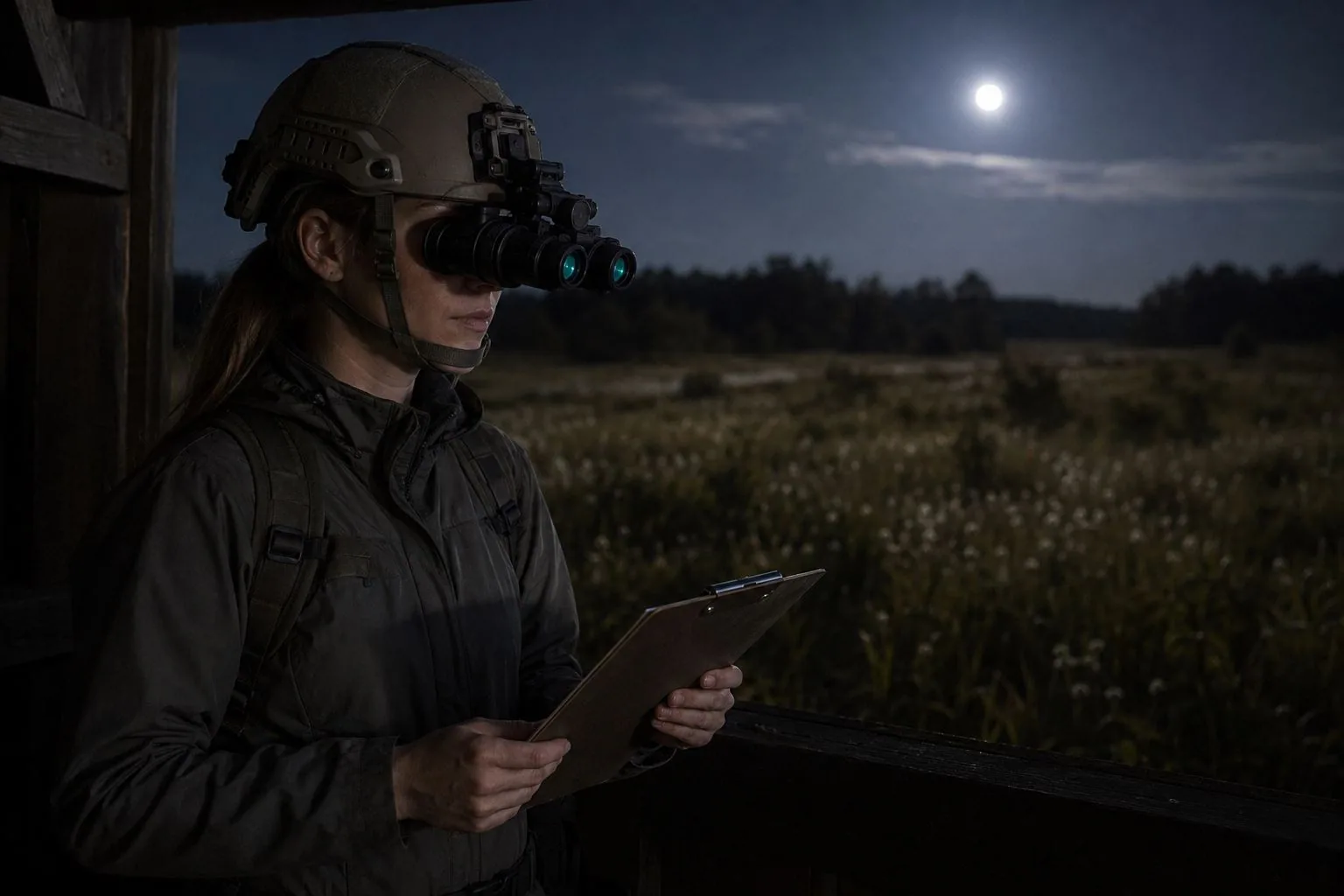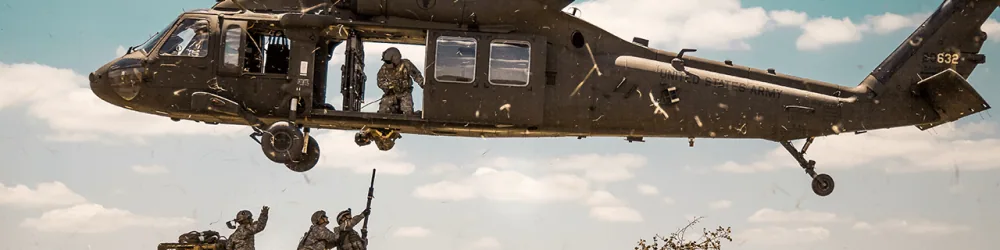


Before field equipment could be used, it had to be accounted for. An item that was bulky, poorly secured or difficult to identify could become a liability during a hurried movement. That practical constraint-limited time and capacity-also shapes museum and public-history work decades later. Evidence often arrives incomplete, separated from its original setting and dependent on recollection.
The result is a shared problem across very different sources. A webbing strap, helmet, container or garment can retain physical clues, while an oral history preserves a person's interpretation of events. Neither source explains itself. Both require context, comparison and a willingness to leave some questions open.
The last-minute burden of carrying evidence
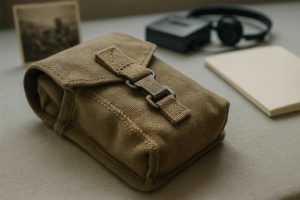
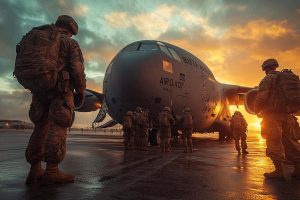
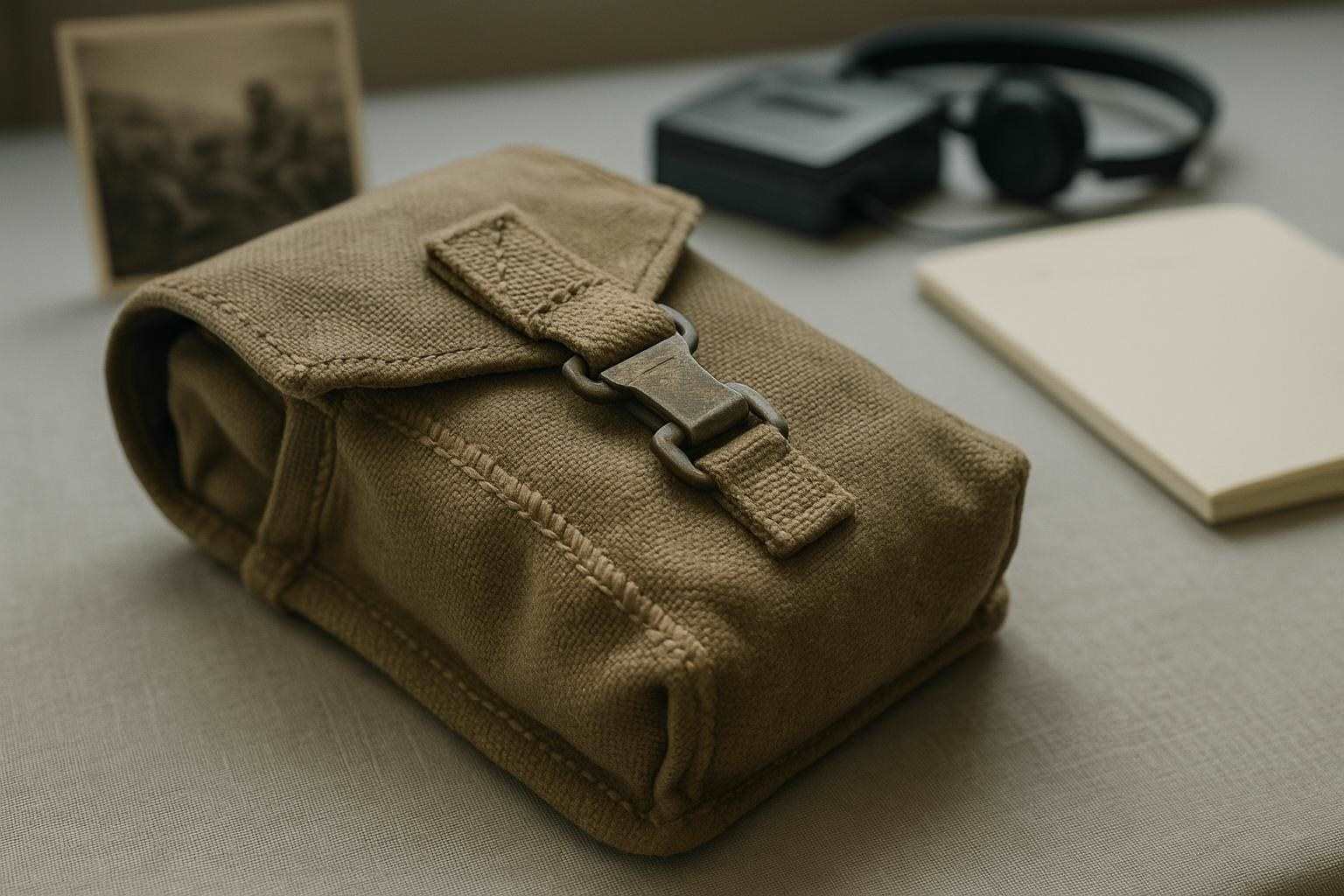
Airborne operations placed unusual pressure on preparation. Equipment had to serve a purpose without adding unnecessary weight or complication, and the difference between standard issue and personal adaptation could matter. A pouch may show wear from repeated handling; a buckle may have been replaced; a garment may carry alterations made for fit, climate or task.
Those details do not automatically identify a unit, date or individual. They establish questions: Who used the item, and in what setting? Was an alteration made during service, after the war or during later collecting? The physical demands of carrying and using equipment are a useful starting point, not a complete story.
For the Allied Airborne Army, context should begin with function rather than romance. Ask what an object was designed to do, what problem it addressed and what its condition suggests about use. The answers can narrow possibilities without turning a plausible interpretation into a proven claim.
Read the object before reading the label
Labels are necessary, but they can become too authoritative. A concise caption may compress several layers of information: an object's manufacture, military use, later ownership and museum history. Separate those layers before combining them.
A sound object record distinguishes observation from attribution. "Faded textile with repairs" is an observation. "Worn by a particular airborne unit during a named operation" is an attribution requiring evidence. This distinction preserves useful clues while showing which parts of a story remain uncertain.
Material culture rewards attention to ordinary features. Stitching, fasteners, paint, maker marks, repairs and abrasion patterns may help establish how an object was handled. Read them alongside photographs, issue documents, veterans' accounts and comparable examples-not as secret codes that yield a single answer.
Why a small alteration can change the story
Field equipment was rarely frozen at the moment it left a factory. Soldiers adapted items to make them more accessible, secure or comfortable. Later owners may have repaired, cleaned, mounted or altered the same object for different reasons. Preservation must account for each stage.
A modification can be historically valuable even when it is not original to manufacture. It may reveal a user's response to conditions or document postwar collecting habits. Removing it because it looks non-standard could destroy evidence; leaving it unrecorded could mislead future viewers.
The key question is not whether an object looks untouched, but whether each intervention has been identified and documented. Conservation records, acquisition notes and earlier photographs can help establish a sequence. When that sequence cannot be established, the uncertainty should remain visible rather than being smoothed into a cleaner narrative.
Oral histories carry a different limit
An oral history is not a substitute for an artifact record, and an artifact is not a substitute for testimony. They preserve different kinds of evidence. A veteran may explain how an item felt, functioned or acquired meaning in daily service. The object may confirm parts of that account while complicating others.
Memory is shaped by time, repetition, emotion and the circumstances of an interview. That does not make testimony unreliable by default. It means that editors and curators should treat it as situated evidence. The interview date, wording of questions, speaker's relationship to the event and corroborating records all matter.
Public history should resist using personal accounts as decorative quotations. A short statement can carry grief, pride, fear or uncertainty. It should not be detached from the speaker's meaning merely to make an exhibit more dramatic. Consent, respectful editing and clear attribution are part of preservation, not administrative extras.
Build a chain, not a single caption
The strongest interpretation connects several modest pieces of evidence. An equipment record may establish intended function; a photograph may show a form of use; an oral history may explain an adaptation; a document or earlier collection note may test the proposed date or ownership. None needs to carry the whole argument alone.
For each claim, researchers can ask:
– What is directly observable?
– What source supports the identification or attribution?
– What alternative explanation remains possible?
– How should the uncertainty appear in the label, catalogue or article?
This approach is especially useful when an object has passed through several hands. Provenance is not only a chain of ownership. It is also a chain of interpretation, with assumptions added, challenged or forgotten over time.
Preserving uncertainty as part of the record
Museums and public-history projects are often expected to make the past easy to understand. Clarity matters, but it is not the same as certainty. A careful label can state what is known, identify the evidence and explain what cannot yet be confirmed.
That restraint gives visitors a more honest connection to World War II material culture. It shows that history is built through comparison and revision, not confident captions alone. It also protects the dignity of people connected to the evidence, whose experiences should not be reduced to an object's most marketable or dramatic interpretation.
The physical limits that shaped wartime equipment continue to echo in preservation work. Space, time, memory and documentation are never unlimited. Good interpretation does not eliminate those limits; it makes them legible, allowing field equipment and oral histories to illuminate one another without being forced into the same story.