

Discovering New Heights in Airborne Navigation
When it comes to operations the pathfinder team often faced a difficult challenge before the first aircraft even left the ground. Things like cloud cover, smoke, darkness or even fires on the ground could easily hide a clearly marked drop zone. In situations where being exact was important their work could lead to frustration unless they had the tools. Enter the Eureka beacon an electronic device carried by ground troops that worked with an aircraft-mounted receiver called Rebecca. In this pair Rebecca asked the question. Eureka gave the important answer.
The Stakes of Accurate Air Drops
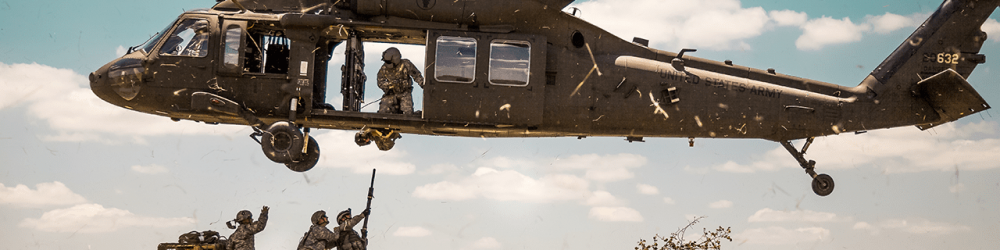
Airborne mission planners had to deal with the job of dropping troops and supplies in exact places often at night or in bad conditions where it was hard to see. To help find these drop zones teams would use ways to signal, like colored lights, panels or fires.. These methods depended a lot on being able to see clearly and having the pathfinders place everything right.
For example if a group came from the direction even the best plans could end up with the drop zone missed, making all the work useless. So a big change was needed: a beacon that let the planes find the ground team without depending on seeing things. This beacon had to be easy to carry and work well. It had to send a signal that could handle the usual radio noise of war in Europe. It had to be strong enough to survive the times on the battlefield like being moved around with parachutes and heavy gear.
The design rules came directly from what airborne missions needed. It had to be small enough for a group of pathfinders but strong enough to help make important choices from up in the air.
The Synergy of Rebecca and Eureka
The Eureka beacon system showed a way of working together. Rebecca was part of the planes navigation system acting as an interrogator. When Rebecca sent a signal, Eureka, the one on the ground answered, giving the pilots the direction to follow.
This was more than sending radio signals; it was a complex connection between two devices that were separated by air and distance. The team on the ground had to bring the tools turn it on place it the right way and use it exactly when needed. At the time the pilots had to use the beacons answer in their plans thinking about speed, wind and how far apart the planes were.
This new tech didn't take away all the worries. It gave a key point to rely on especially when the visual signs disappeared under clouds or darkness.
Engineering Choices Under Pressure
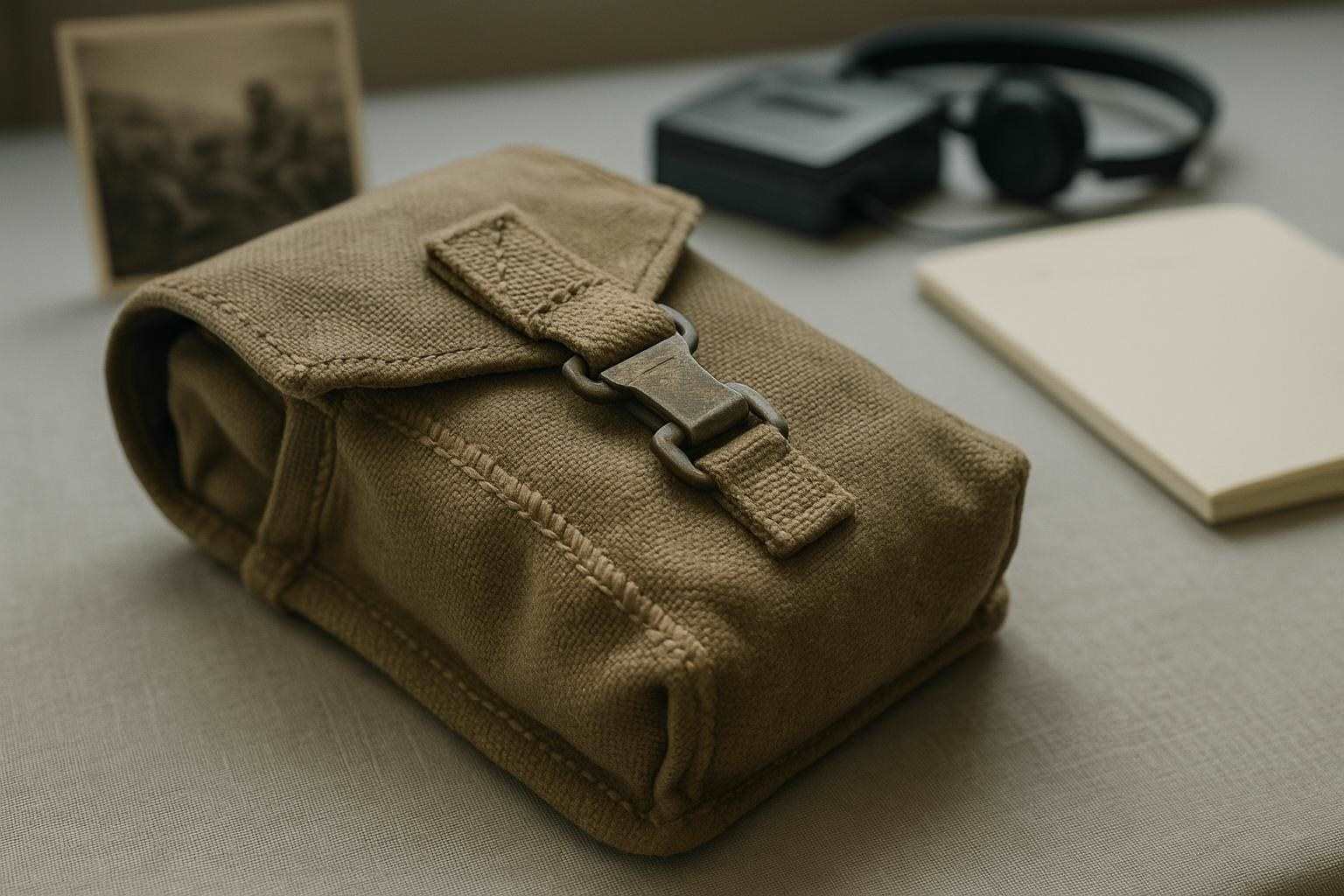
Looking at the design of the Eureka beacon tells a story. A preserved unit might show a body, controls, connections, antenna parts and battery setup with signs of use showing how it was handled. These parts show the choices made for being easy to carry and useful in the field.
Battery life was very important because the pathfinders couldn't count on a power source during missions. The case had to protect the parts but still be light enough for soldiers carrying many heavy items. The connections had to be easy to put quickly but still stay in place while being moved. The controls had to be simple enough to use under pressure without being changed by accident.
Even if all these parts worked together the beacon only worked well if the batteries were charged the antenna was okay. The plane had the right Rebecca setup. Weather like clouds or wind still caused problems with a working electronic link.
Lessons from Normandy Operations
The work of the Eureka beacon became more visible during the Normandy missions. The pathfinders used it with tools for navigation, signs and ways to talk.. It was important to know that the Eureka system did not replace the need for smart decisions on the ground or in the air. How well it worked depended on the team getting to the spot setting up the gear and staying in touch.
A good response from the part didn't mean every plane found the right place. Things like rushing to drop and changes in the area could affect how well it worked. The beacon helped reduce some confusion but didn't take away the problems of flying missions.
The device showed how important people were, how much thinking and adapting was needed and how the tech was a help, not a solution.
Untold Stories of the Surviving Beacon
When you put a beacon in a museum it might look simple like a box that shows a big moment.. Looking closely you can see more than just the outside. Marks on the case might show it was used a lot, not in battle. Sometimes parts are missing, like battery covers or changes. That doesn't always mean it was damaged in war. It could be changes made after the war.
Understanding it means telling the difference between what you can see and what is written down like numbers, manuals or stories from soldiers. Each one adds something to a display that shows how it was used and what it did.
As museums try to keep and show these items they also have to think about how things age, possible rust inside and making sure it meets safety rules for any parts.
A Transformative Legacy
In the end the story of the Eureka beacon was about changing how people thought about flying and finding places. The mix of ground and plane systems changed how missions were planned and done. Even though newer tech got more complex the main idea stayed the same: flying well needed a plan, including bravery, skill and careful work.
So this small device is very important, in the history of the airborne troops. It shows a time when a small tool changed how the ground could be found from the sky showing the connections that made flying missions work. In a museum it should be shown not as a tool but as a way to understand the work, plans and people involved in tough situations.